Arman-e-Milli Daily Newspaper   (September 2012)

Responding to the considerable interest our users have expressed in using newspapers from the past for their research projects, ACKU is pleased to announce the acquisition of a set of the prominent Dari/Pasto newspaper Arman-e-Milli covering the years 2004-2010. 

Medical Text Books (May 2012)
 
The Ministry of High Education kindly included ACKU in the distribution of 54 Dari and Pashto medical books along with CDs.  These text books are included in the eCampus - Afghanistan project initiated by the Ministry and administered by the Institute of Development Research and Develpment Policy on the campus, with the Ruhr University Bochum, Germany.  For more information v. www.ecampus-afghanistan.org

Field Guide to Afghanistan: Flora and Vegetation (12 March 2012)

This beautifully produced volume provides 863 pages of Dari and English descriptions along with 12,000 colour illustrations of the flora and vegetation of Afghanistan.  This is the most extensive coverage of this subject yet published.  The four thousand copies intended for wide distribution among higher education schools and universities inside Afghanistan will be much appreciated as a source of knowledge and will also bring pleasure to many readers. 

 F12  F2

Folk Music   (22 October 2011)

An elegant set of 10 CDs containing folk music from Herat and Badghis, a documentary and videos of live public performances has greatly enriched the ACKU collection.  Recorded in 2010-2011, they showcase the talents of 36 Folk Muscians as part of an ongoing documentation of Afghan folk music by the Aga Khan Music Initiative under the direction of Vaheed Kaacemy.  ACKU thanks the Aga Khan Trust for Culture for sharing this valuable research.

Russian-Afghan Relations   (8 October 2011)

Thanks to the kindness of the Embassy of the Russian Federation and the Department of Russian at Kabul University, ACKU now has an interesting collection of copies of archival documents relating to the development of Russian-Afghan relations (118 pgs).  A letter from Amir Sher Ali Khan (1869?) complains to Russia about being mistreated by the British and asks for help.  Exchanges of expressions of friendship from King Amanullah (1919-1929) begin in1919 with his correspondence with Vladimir Ilyich Lenin, head of the Soviet state from 1917-1924, regarding the new Afghan Ambassador General Mohammad Wali.  These letters of friendship continue down through the reign of King Zahir to Hamid Karzai and Vladamir Putin.  

Initially artistically hand-written in graceful calligraphy, the documents mark the advent of the mundane typewriter. MoUs concerning commercial issues emphasize the importance of trade; those about the installation of radio and  telegraph service, dutifully accompanied by teams of aid experts, make familiar reading, as does the document detailing the $3.5 million loan for the construction of the silo in 1957. A few news photos of visiting diplomatic and commercial missions are also included.

Director: Louis Meunier.  Running time: 52 minutes.

Homam Family Donation (August 2011)

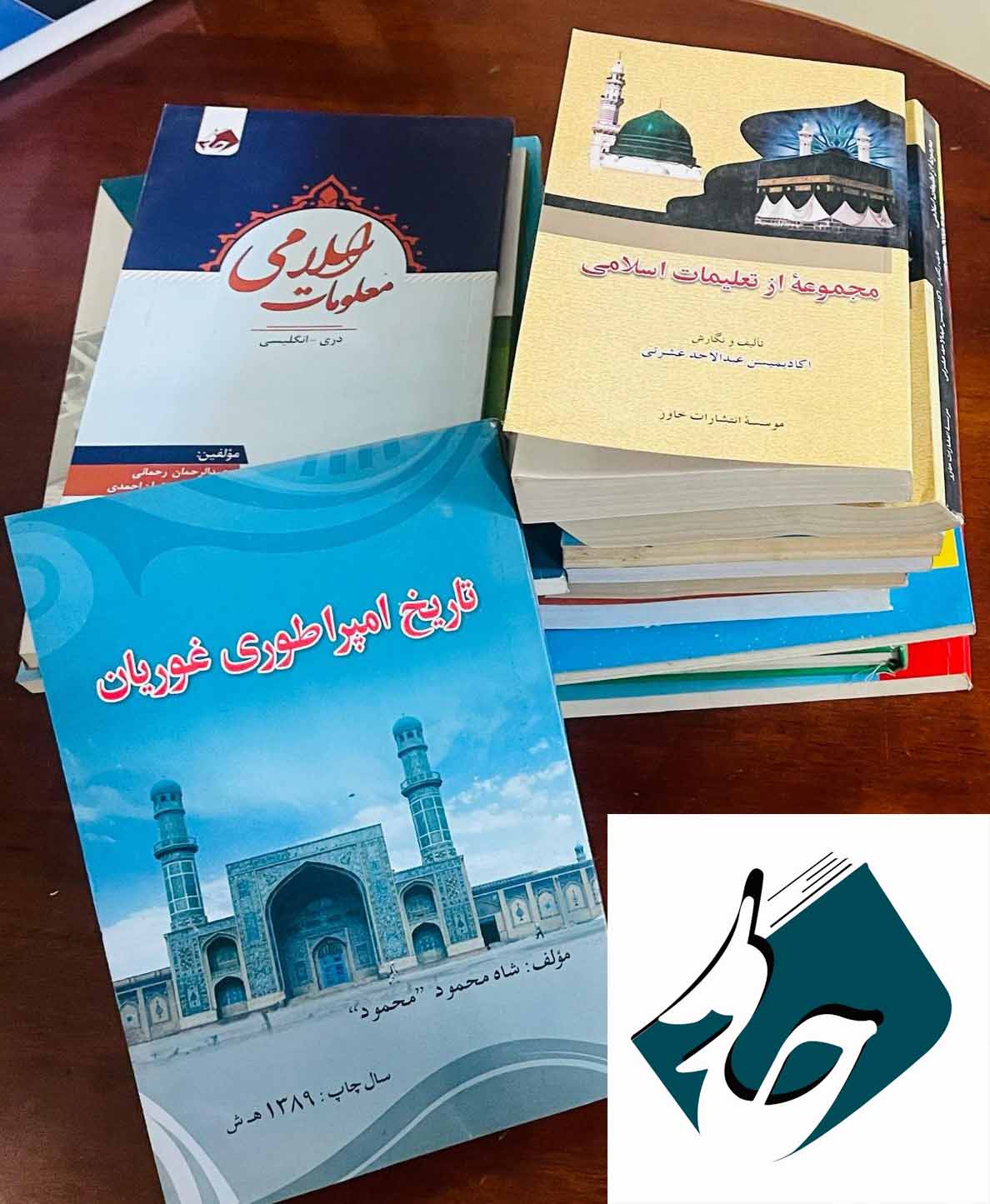
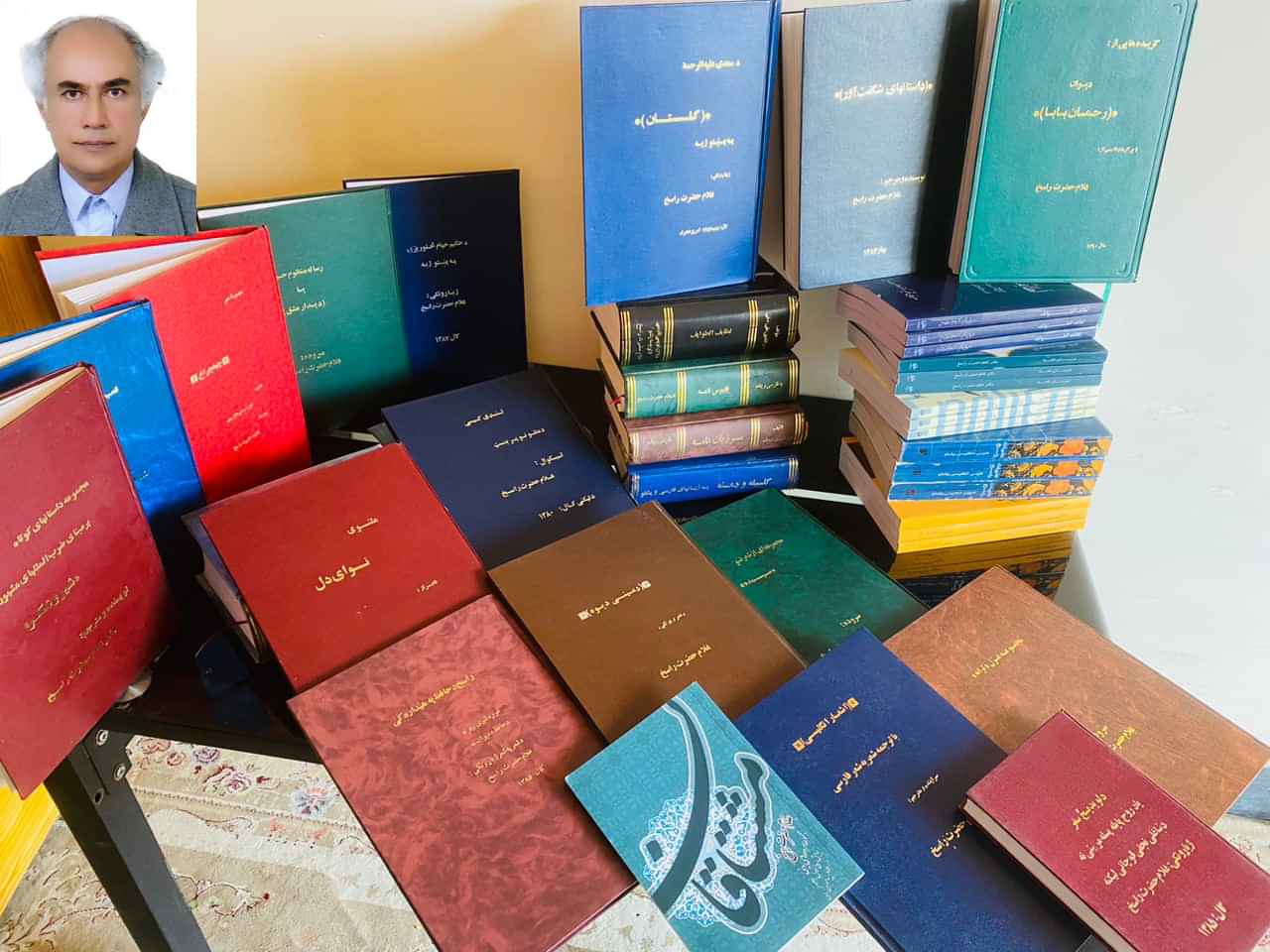
Through the generosity of the family of the late Professor Sayed Sultan Shah Homam ACKU has received an exciting collection of 200 books and 456 periodicals published in Afghanistan during the past thirty years, including Professor Homam’s own work entitled Dari Folk Tales and Their Demarcation.  The collection includes rare monographs and serials on history, culture, archaeology, politics, law and linguistics.  Many are difficult to find elsewhere. We are most grateful to Qamar and Mukhtar Homam for sharing the family’s library so that others may enjoy these valuable works belonging to Afghanistan’s cultural heritage.   

 11

1948

 22

1956

Photographs (May 2011)

ACKU is most pleased to announce the kind gift of 2045 slides from Sue Heringman taken by her late mother, Jean Heringman, who devoted the latter part of her life to helping Afghan refugees in Pakistan. The photograph documents her experiences in the refuee camps. The gift also includes 48 original drawings of Afghan refugee children. 

Royal Botanical Garden Edinburgh (March 2010)

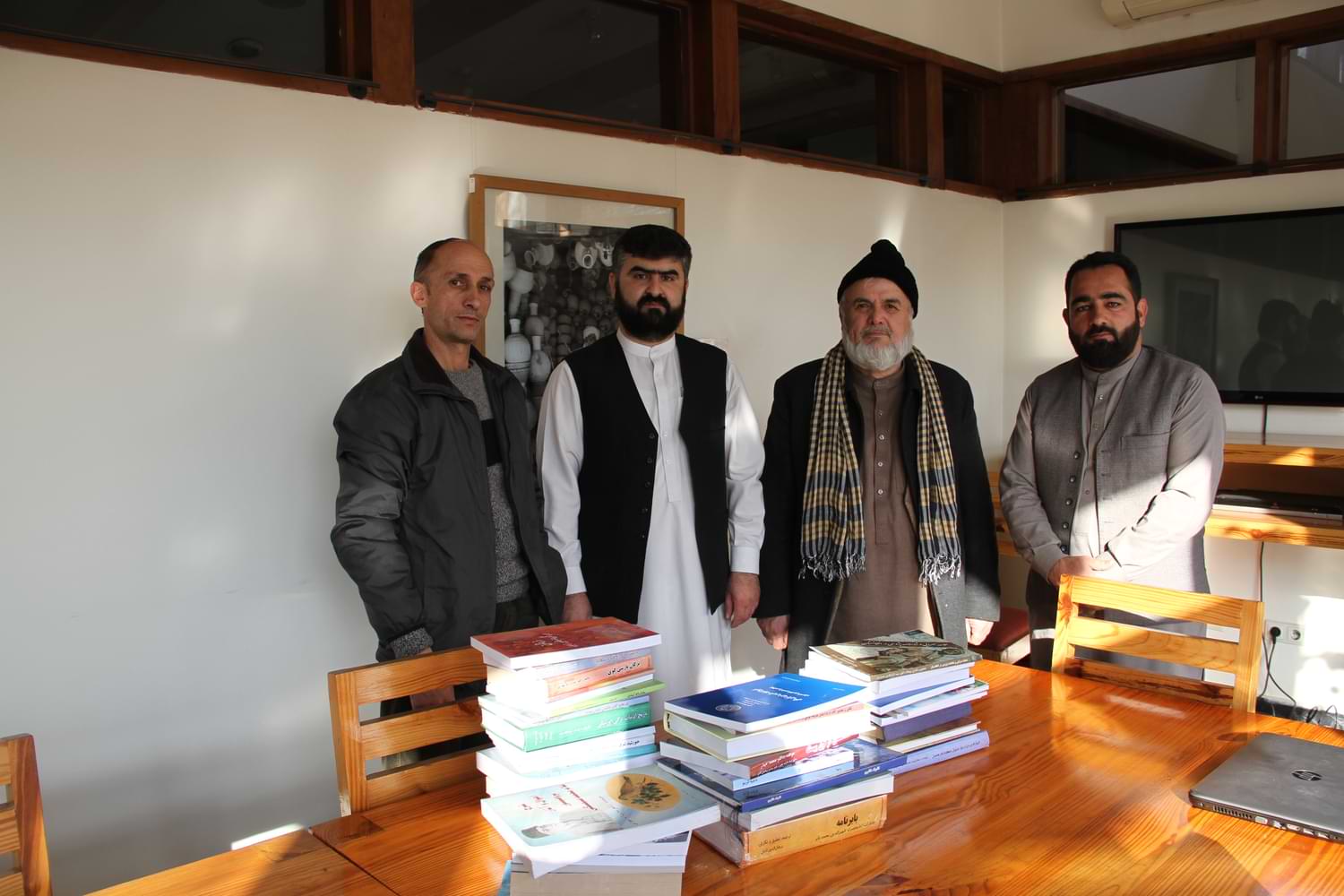
ACKU is most pleased to announce the  generous gift from the Royal Botanical Garden Edinburgh, through the Sibbold Trust, of 212 botanical papers, fascicles and books relating to the plants of South West Asia.  These include substantial runs of The Flora of West Pakistan and The Flora of Iran that are relevant to scholars working on Afghan flora.  The Annotated Catalogue of the Vascular Plants of West Pakistan and Kashmir (1028 pages) is a particularly impressive item included in this donation. A publication on the Flora of Afghanistan now under preparation is eagerly awaited.  These works greatly enrich ACKU’s holdings.

 Book_Handover

 IMG_1238

Margaret Mills donates research on Afghan Folklore (October 2009)

ACKU is proud to have been chosen as a depository of 684 computer optical discs containing oral histories, folklore and interviews recorded by Margaret Mills, the leading expert on Afghan folklore, mainly in Herat between 1975 and 2004.  The recordings are in Dari. By sharing her research, this distinguished folklore scholar strengthens the field of research for students in Afghanistan.  She has also provided hours of enjoyment.

The Archives of Traditional Music at Indian University (March 2009)

in the United States has kindly provided ACKU with 11 CDs (10 hours) containing folk music recorded by Louis Dupree in 1969-70 and 1975.  These tracks of love songs, epics and poetry were mainly recorded on bazaar days in villages near Dupree’s archaeological excavations in Maimana, Gurziwan and Badakhshan.

Loiuse

Louis Dupree in the field

Taliban Publication (July 2009)

دافغانستان اسلامی امارت : دمجاهدینو لپاره لایحه (Rule Book for the Mujahideen of the Islamic Emirate of Afghanistan)

        
 ABLE_Book


CD 24,000 Feet Above the War (September 2011)
 
In the summer of 2009 four Afghan mountaineers from the Wakhan went up the slopes of Mt. Noshaq to the highest peak in Afghanistan. This was the first time that Afghans had reached the top of a major Afghan mountain.  The film starts with some training in Europe and then carries the viewer along through preparations in Kabul  to end with victory at the summit of Mt. Noshaq,    It is a moving account of Afghan courage, tinged with the supreme confidence, infectious humour, and  dogged perseverance that  symbolize the best in the character of the Afghan people.